QR Code Generator
QR Code Generator
QR codes, or Quick Response codes, are two-dimensional barcodes that can store a variety of data types, including URLs, text, and contact information. They are widely used in various applications such as marketing, ticketing, and product labeling. By integrating a QR Code Generator into your website, you can allow users to easily generate and share QR codes that can be scanned by mobile devices.
This tutorial will demonstrate how to use the jQuery QR Code Generator library in an ASP.NET MVC application to create QR codes from user-defined data. The jQuery QR Code Generator is a lightweight and easy-to-use library that can be integrated into any web project.
Prerequisites
Before we start, ensure that you have the following prerequisites in place:
- Basic knowledge of ASP.NET MVC framework.
- jQuery library included in your project.
- Access to a code editor like Visual Studio.
- Familiarity with HTML and JavaScript.
Setting Up the Project
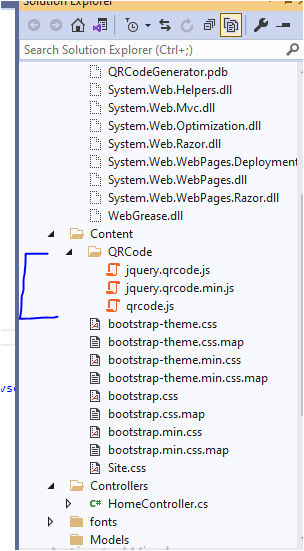
To begin, create a new ASP.NET MVC project in Visual Studio. Once your project is set up, you need to include the required scripts for jQuery and the QR Code Generator library. You can do this by adding the following script tags in your view file:
<script src="https://ajax.googleapis.com/ajax/libs/jquery/3.4.1/jquery.min.js"></script>
<script src="/Content/QRCode/jquery.qrcode.min.js"></script>
<script src="/Content/QRCode/qrcode.js"></script>
These libraries are essential for generating QR codes dynamically based on the data provided by the user.
Generating the QR Code
Once the libraries are included, you can create a simple form to input the data you want to encode into a QR code. Below is a sample implementation:
<div class="jumbotron">
    <h1>QR Code Generator</h1>
</div>
<div class="row">
    <div class="QrCode"></div>
</div>
<input type="text" id="qrData" placeholder="Enter data for QR Code" />
<button id="generateQR">Generate QR Code</button>

@section scripts {
    <script>
        $(document).ready(function () {
            $('#generateQR').click(function () {
                var data = $('#qrData').val();
                renderQR(data);
            });
        });

        function renderQR(data) {
            $('.QrCode').html('');
            $('.QrCode').qrcode({ width: 300, height: 300, text: data });
        }
    </script>
}
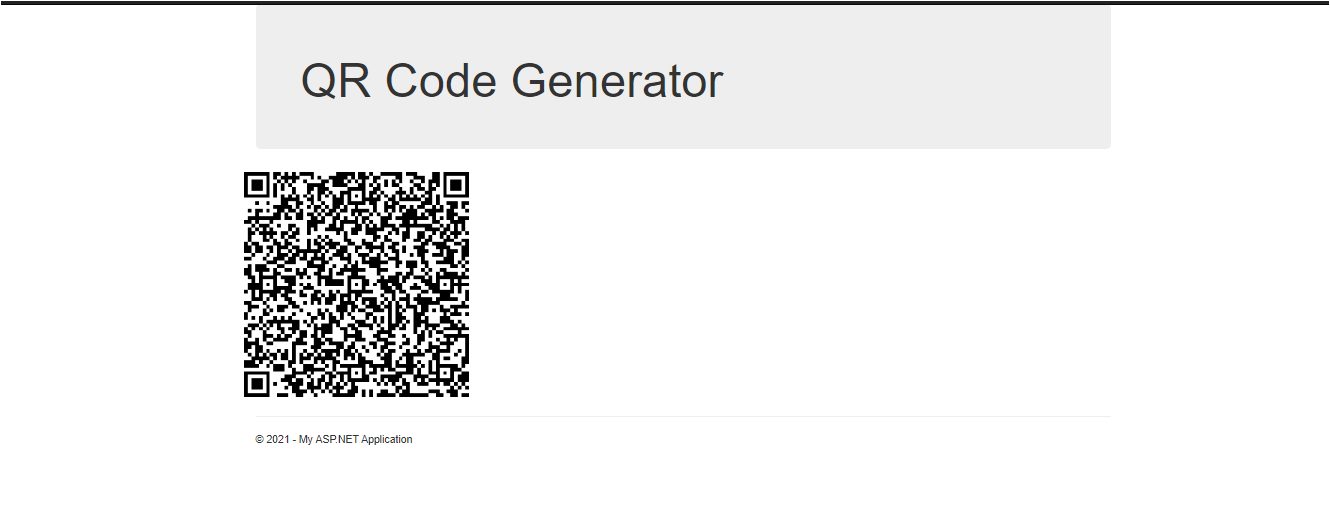
In this code, we have created an input field for users to enter the data they wish to encode. The QR code is generated when users click the 'Generate QR Code' button, which triggers the renderQR function.
Understanding the QR Code Data Format
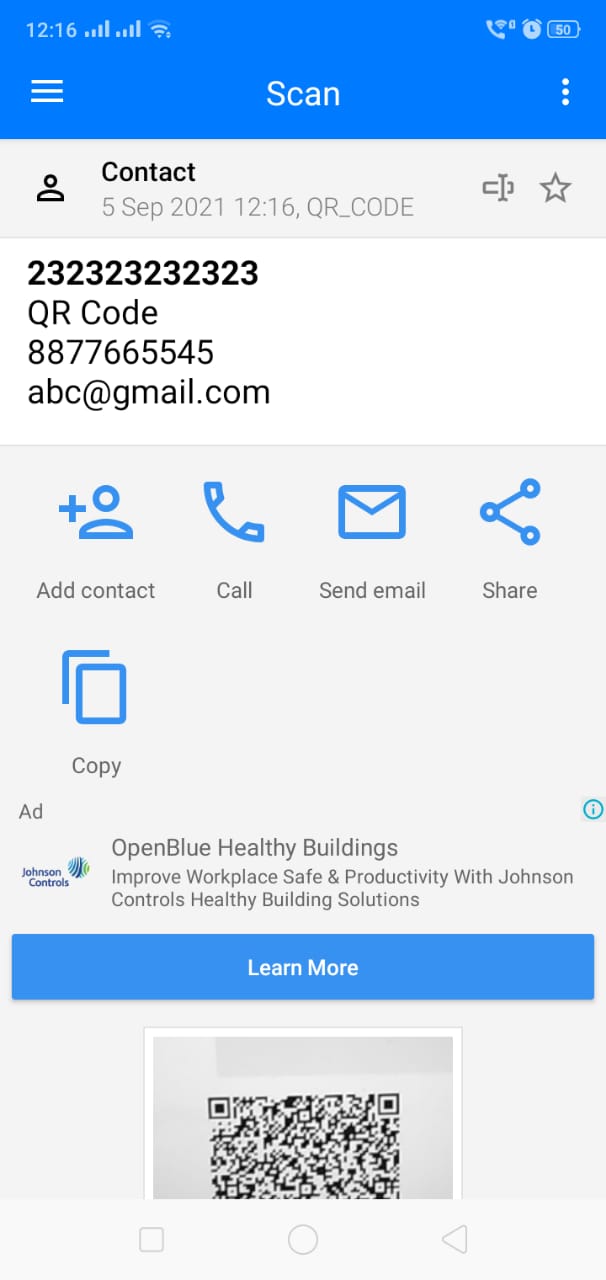
QR codes can store various types of data. One common format is the vCard format, which is used for sharing contact information. Below is an example of how to format data in vCard format:
var data = "BEGIN:VCARD\nVERSION:3.0\nFN:CodeFlow\nTITLE:QR Code\nTEL;TYPE=HOME,VOICE:8877665545\nEMAIL;WORK;INTERNET:abc@gmail.com\nEND:VCARD";This data can be scanned by compatible applications to save contact information directly to the user's address book.
Edge Cases & Gotchas
When implementing a QR Code Generator, there are a few edge cases and potential issues to be aware of:
- Data Length: QR codes have a maximum data capacity depending on the error correction level used. Ensure that the data you are encoding does not exceed this limit.
- Special Characters: Be cautious when using special characters in your data. Some characters may need to be escaped or may not be supported.
- Mobile Compatibility: Test your generated QR codes on various mobile devices to ensure they can be scanned correctly.
Performance & Best Practices
To ensure optimal performance and user experience when generating QR codes, consider the following best practices:
- Minimize Data Size: Keep the data you encode as small as possible. This not only improves scanning speed but also reduces the complexity of the QR code.
- Use Appropriate Dimensions: Set the width and height of your QR code appropriately. A size of 300x300 pixels is typically sufficient for most uses.
- Test Regularly: Regularly test the QR codes generated to ensure they are scannable and the data is accurate.
Conclusion
In this tutorial, we explored how to implement a QR Code Generator in an ASP.NET MVC application using the jQuery QR Code library. We covered key concepts, setup instructions, and best practices for generating QR codes effectively. Here are the key takeaways:
- QR codes are versatile and can store various types of data.
- Using jQuery QR Code library simplifies the process of generating QR codes in web applications.
- Be aware of the limitations and best practices when working with QR codes.
- Regular testing ensures that the QR codes generated are functional and user-friendly.