
Features of .Net core 7
Overview of .NET Core 7
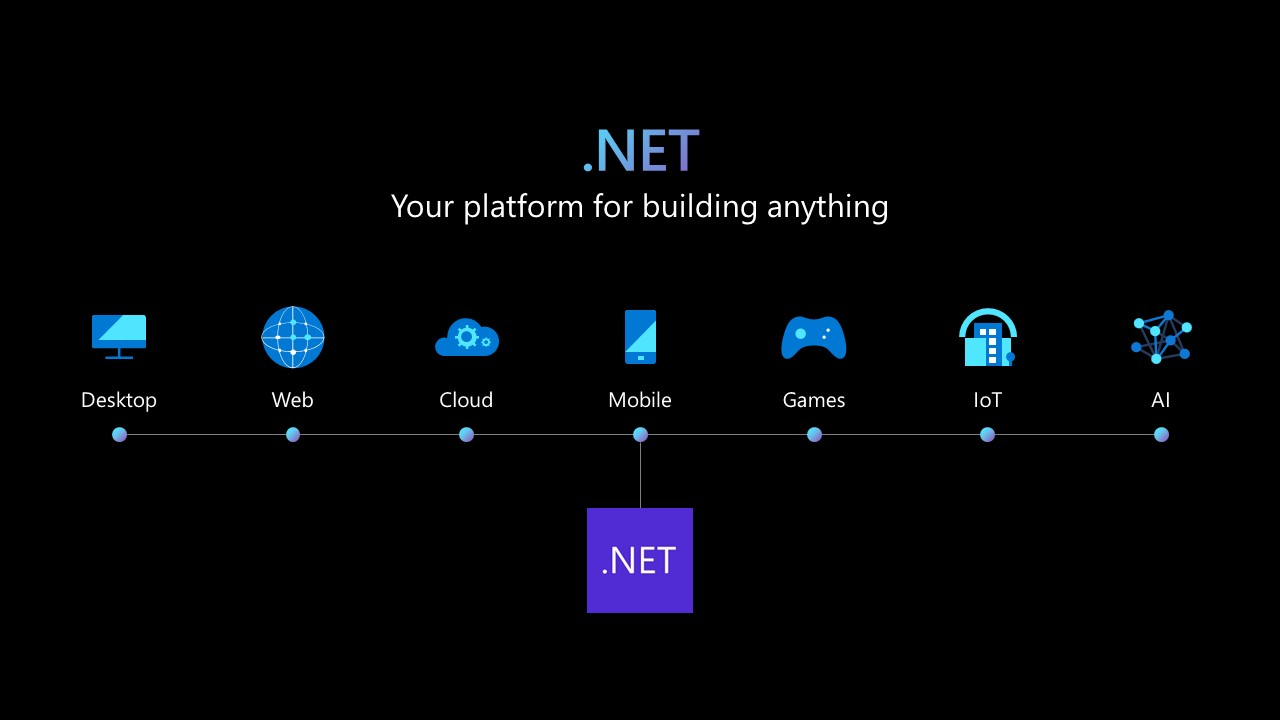
.NET Core 7 is the latest iteration of the .NET framework, designed to facilitate the development of high-performance applications across various platforms, including Windows, Linux, and macOS. The framework is open-source, encouraging community collaboration and contribution. With each release, .NET Core aims to streamline the development process, making it faster and more efficient for developers to create robust applications. This article will delve into the standout features of .NET Core 7, providing code examples and real-world use cases.
Prerequisites
Before diving into the features of .NET Core 7, it is essential to have a basic understanding of C# programming and familiarity with the .NET ecosystem. Developers should ensure they have the following prerequisites:
- A computer running Windows, Linux, or macOS.
- Visual Studio 2022 or a compatible IDE installed.
- The .NET 7 SDK installed, which can be downloaded from the official .NET website.
- Basic knowledge of asynchronous programming and object-oriented principles.
Improvements to Async Streams
Async streams, introduced in C# 8, allow developers to work with asynchronous data streams seamlessly. In .NET Core 7, enhancements to async streams are expected to improve performance and usability. This feature is particularly useful for applications that require real-time data processing, such as chat applications or live data dashboards.
async IAsyncEnumerable<int> GenerateNumbersAsync() { for (int i = 0; i < 10; i++) { await Task.Delay(100); yield return i; }}With the improved async streams, developers can now easily process incoming data as it arrives, leading to better resource management and responsiveness in applications.
Improved Source Generators
Source generators are a powerful feature that enables developers to generate code during the compilation process. In .NET Core 7, improvements to source generators allow for more straightforward code generation and reduced boilerplate. This feature is particularly beneficial for libraries and frameworks that require the generation of repetitive code patterns.
[Generator] public class MySourceGenerator : ISourceGenerator { public void Initialize(GeneratorInitializationContext context) { } public void Execute(GeneratorExecutionContext context) { context.AddSource("GeneratedCode.cs", "public class GeneratedClass { public void SayHello() { Console.WriteLine(\"Hello, World!\"); } }"); }}By leveraging source generators, developers can enhance productivity and ensure consistency across their codebase.
Records and Performance Enhancements
Records, introduced in C# 9, provide a concise way to define immutable data types. With .NET Core 7, performance improvements to records make them even more efficient for use in data-centric applications. Records are particularly useful in scenarios where data integrity is crucial, such as in financial applications or data transfer objects.
public record Person(string Name, int Age); var person = new Person("Alice", 25);The enhancements in .NET Core 7 ensure that records maintain their lightweight nature while improving their performance, making them a go-to choice for developers.
HTTP/3 Support
With the growing need for faster and more secure web communications, .NET Core 7 introduces support for HTTP/3, the latest version of the HTTP protocol. HTTP/3 is built on QUIC, a transport layer network protocol that provides improved performance and security features. This is particularly beneficial for applications that require quick load times and secure data transfers.
var httpClient = new HttpClient(new SocketsHttpHandler() { EnableHttp3 = true });By enabling HTTP/3, developers can ensure their applications are optimized for modern web standards, improving user experience significantly.
Native-sized Integers
Native-sized integers are a new feature in .NET Core 7 that allows developers to use integer types that are optimized for the underlying hardware architecture, improving performance and memory usage. This feature is particularly useful in scenarios where performance is critical, such as in game development or high-performance computing applications.
nint myValue = 42; nuint myUnsignedValue = 42u;Using native-sized integers can lead to more efficient data processing, as these types align with the architecture's native word size, reducing the overhead associated with conversions.
New Features and Enhancements
In addition to the aforementioned features, .NET Core 7 also introduces several other enhancements, including:
- Minimal APIs: Simplified syntax for building HTTP APIs, reducing boilerplate code and improving developer productivity.
- File System Access APIs: Enhanced APIs that allow developers to work with the file system more intuitively and securely.
- Improved JSON Serialization: Performance improvements and new features in System.Text.Json for faster and more efficient JSON processing.
Edge Cases & Gotchas
While .NET Core 7 introduces many exciting features, developers should be aware of potential edge cases and gotchas:
- Compatibility Issues: Ensure that all third-party libraries and dependencies are compatible with .NET Core 7 before upgrading.
- Performance Variability: While many features are designed to improve performance, actual performance gains can vary based on application architecture and usage patterns.
- Debugging Source Generators: Debugging generated code can be challenging. Developers should familiarize themselves with the source generator lifecycle to effectively troubleshoot issues.
Performance & Best Practices
To maximize the benefits of .NET Core 7, developers should adhere to best practices:
- Leverage Asynchronous Programming: Utilize async/await patterns to improve application responsiveness and scalability.
- Use Records for Immutable Data: Prefer records for defining data transfer objects to ensure immutability and reduce bugs.
- Optimize HTTP Calls: Use HTTP/3 where applicable to enhance data transfer speeds and security.
- Monitor Performance: Utilize profiling tools to monitor application performance and identify bottlenecks.
Conclusion
In summary, .NET Core 7 brings a host of new features and enhancements that empower developers to create high-performance applications efficiently. Key takeaways include:
- Improved async streams enable efficient asynchronous data processing.
- Enhanced source generators simplify code generation and reduce boilerplate.
- Records receive performance improvements for immutable data structures.
- Support for HTTP/3 enhances web communication security and speed.
- Native-sized integers optimize processing for hardware architecture.
